ORIGINAL NOTE / Baking foundations
BBE / THE BAKING NOTEBOOKRead the complete recipe before the result
Keep the intended result, ingredients and complete method in the same reading.
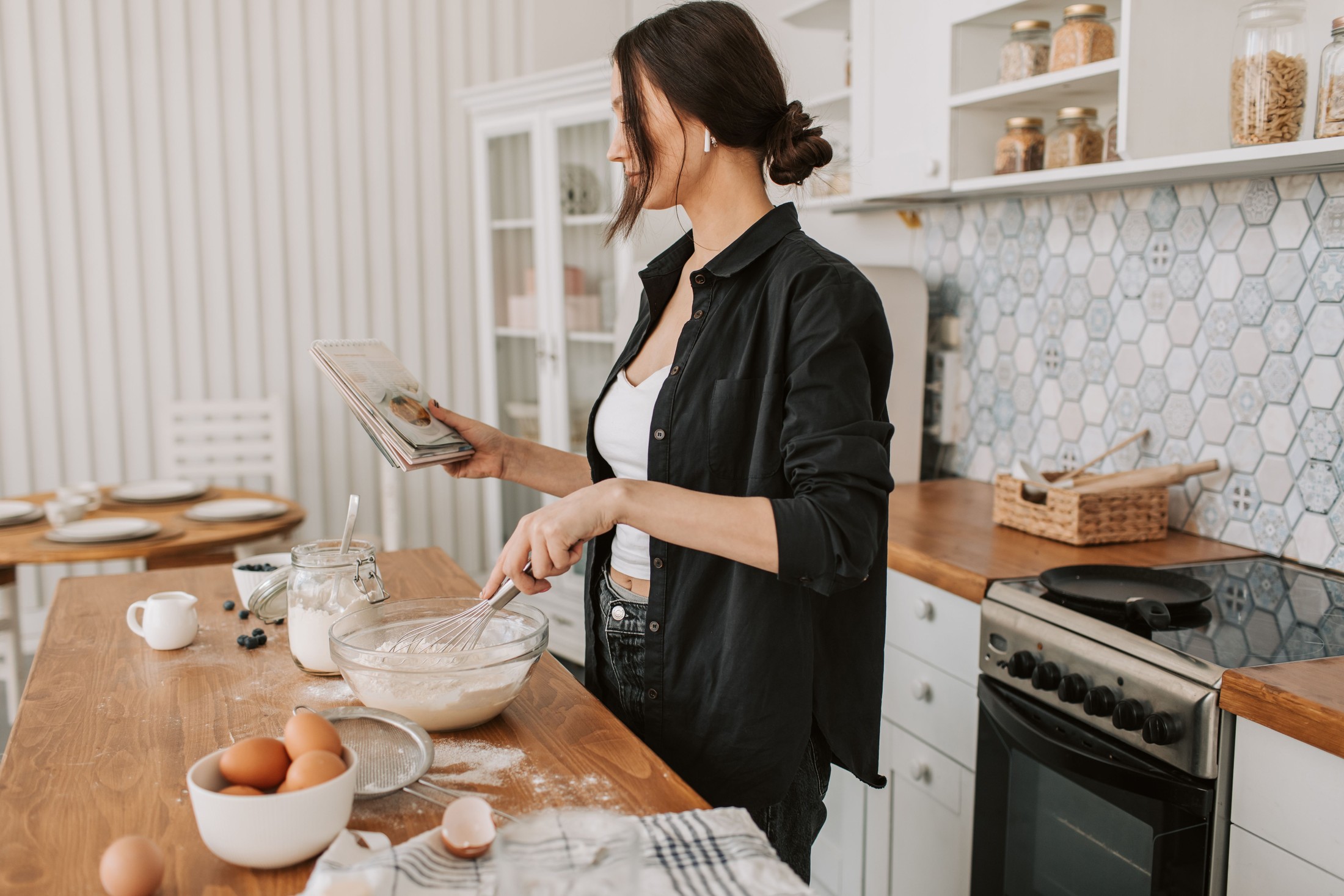
Read the source.
Keep the question.
Return to the detail.
Locate the complete source
Begin with the actual recipe or method rather than a photograph and a remembered summary. Record the creator or responsible publisher, the title and the location of the relevant material. If you have read only an extract, make that limit visible. A source note should help another reader return to the original context instead of treating your summary as the whole reference.
Read the intended outcome
Ask what the reference says it is intended to produce and in which context. A name can point to a type of bake without explaining every detail of that particular method. Keep the stated outcome beside the ingredient specification and process. Avoid importing an expectation from a different recipe and then presenting the difference as a fault in the source you are reading.
Keep the list with the method
The ingredient list is one part of the reference. Read it alongside the stages and any conditions the source actually specifies. A short screenshot may omit information that matters to interpretation. Do not fill a missing passage with an assumption merely because the ingredients look familiar. Identify the question and return to the complete appropriate reference or the responsible educator.
Distinguish description from instruction
You can describe a visible shape or finish without knowing the full working process behind it. Keep those statements separate. A photograph can illustrate the subject while leaving handling requirements and other practical details unexplained. This reading note supplies no recipe or operating protocol; practical activity needs the complete appropriate method and the guidance required by its actual learning setting.
Choose one reading question
Name the particular part of the method you want to understand. It might concern a stage label, the intended result or the source of an explanation about an ingredient. A focused question gives a teaching discussion something concrete to address. Avoid trying to settle every aspect of a recipe through one short note or collecting references without explaining why each belongs.
Return with the context
Keep the source, your interpretation and the unresolved point together when you discuss the reading. If the explanation changes, record why without silently rewriting an earlier observation as a confirmed fact. A useful note may end with a more precise question. It does not need to claim that the recipe has been validated, improved or fully understood through a single reading.
YOUR PRIVATE NOTEBOOK