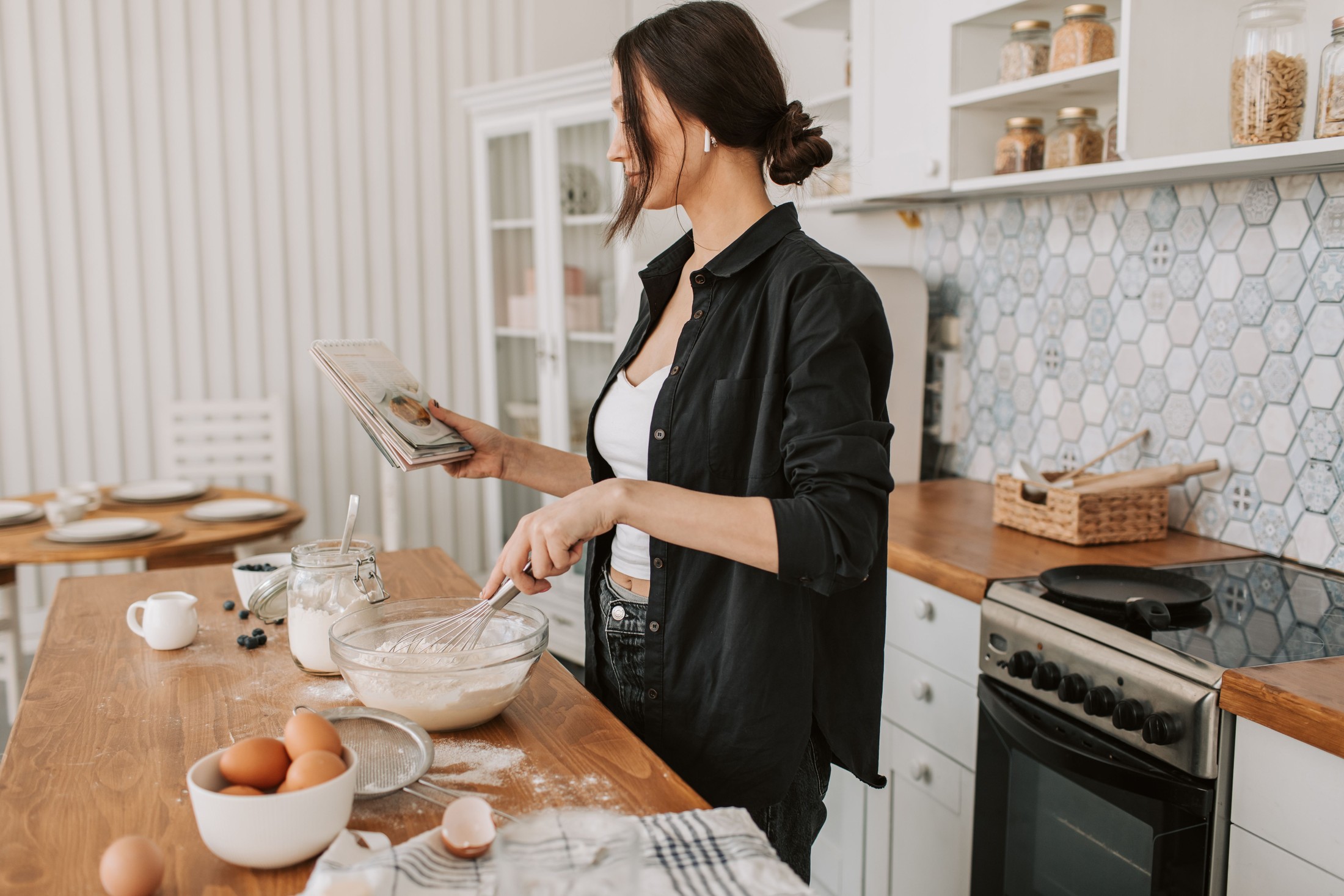
A PHOTOGRAPH & ITS LIMITS
The image begins
a question.
It isn’t the method.
Read a finished image for what it can show without inventing the recipe outside its frame.
Read the image-context noteTHE BAKING NOTEBOOK
Start with a complete reference.
Keep a question beside the result.
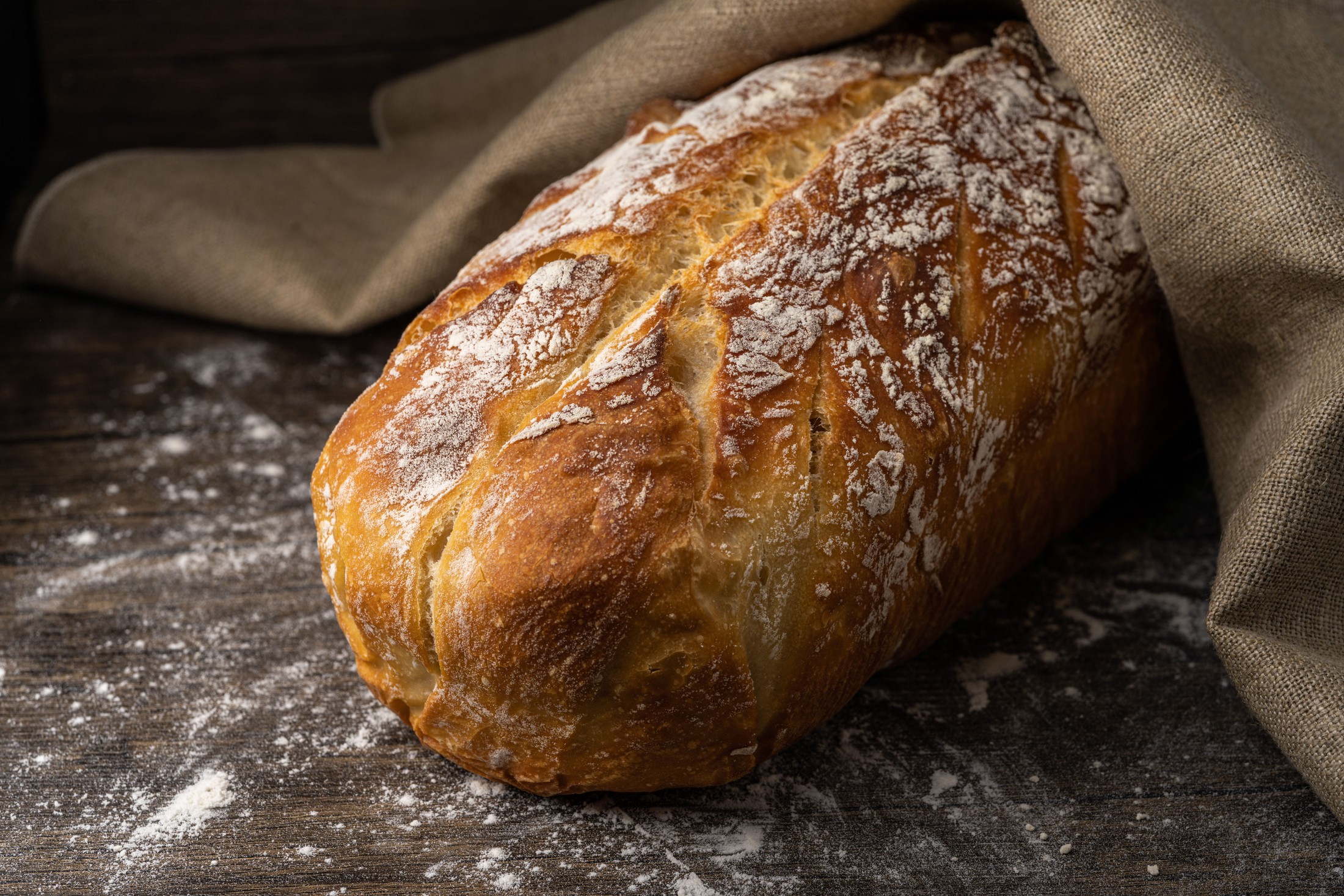
FIND YOUR WAY IN
01A reading room for the sources,
observations and questions behind a bake.
START WITH THE REFERENCE
A recipe is more than its finished photograph. Read the intended result, ingredient specification and method together.
Then make the question visible: what the source explains, what you actually observed and which point needs a fuller discussion.
The purpose of this notebookTHREE PARTS / ONE COMPLETE REFERENCE
What does this particular source describe?
What is named, and which context belongs beside it?
Which stages and explanations are actually included?
A reading relationship / not a recipe or an operating specification.
THE STUDY SUBJECTS
Read the intended result, ingredient specification and complete method as one reference.
Ask what the source explains about a component before assuming a substitution or a cause.
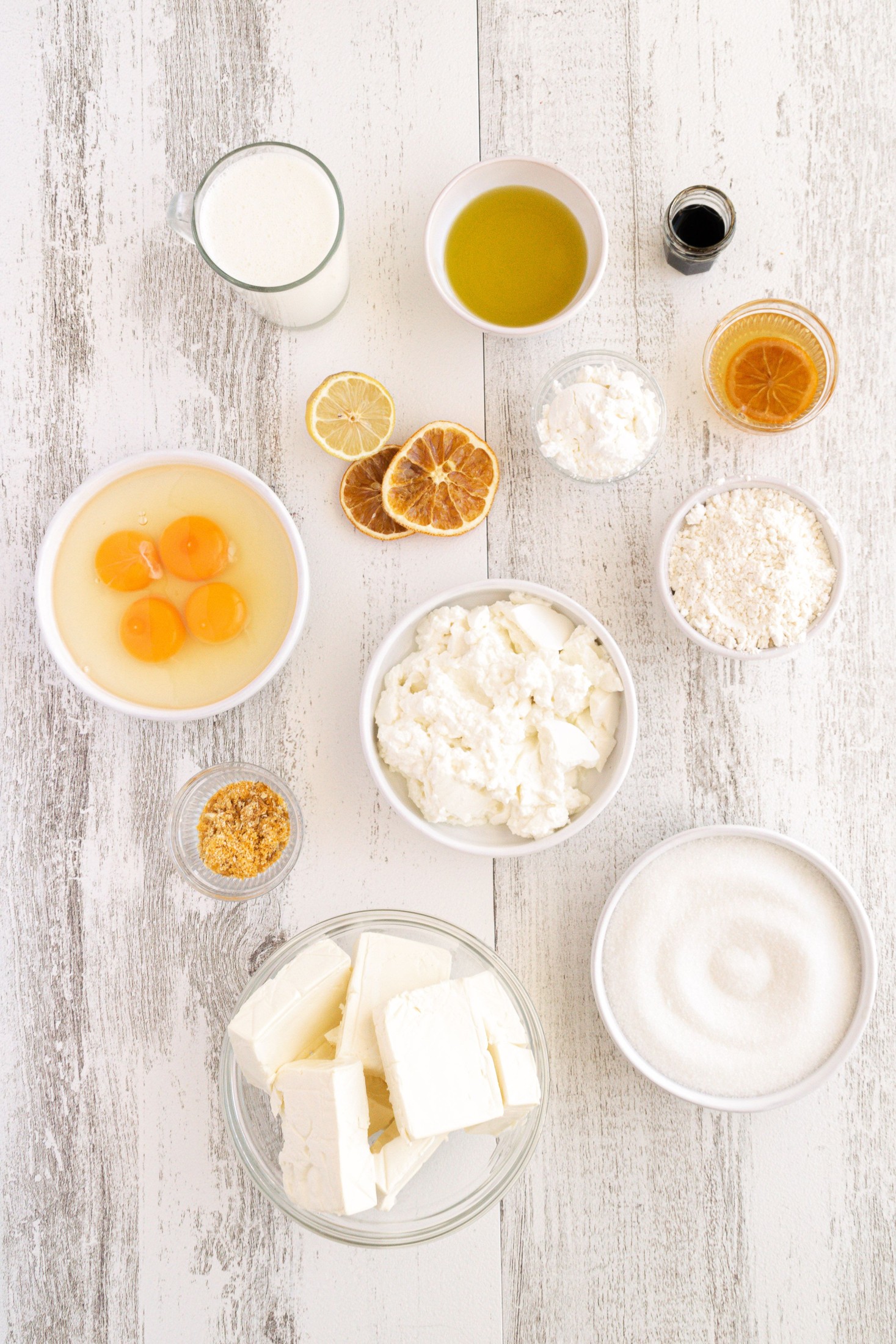
Keep the source, authorised activity, observation and next question together.
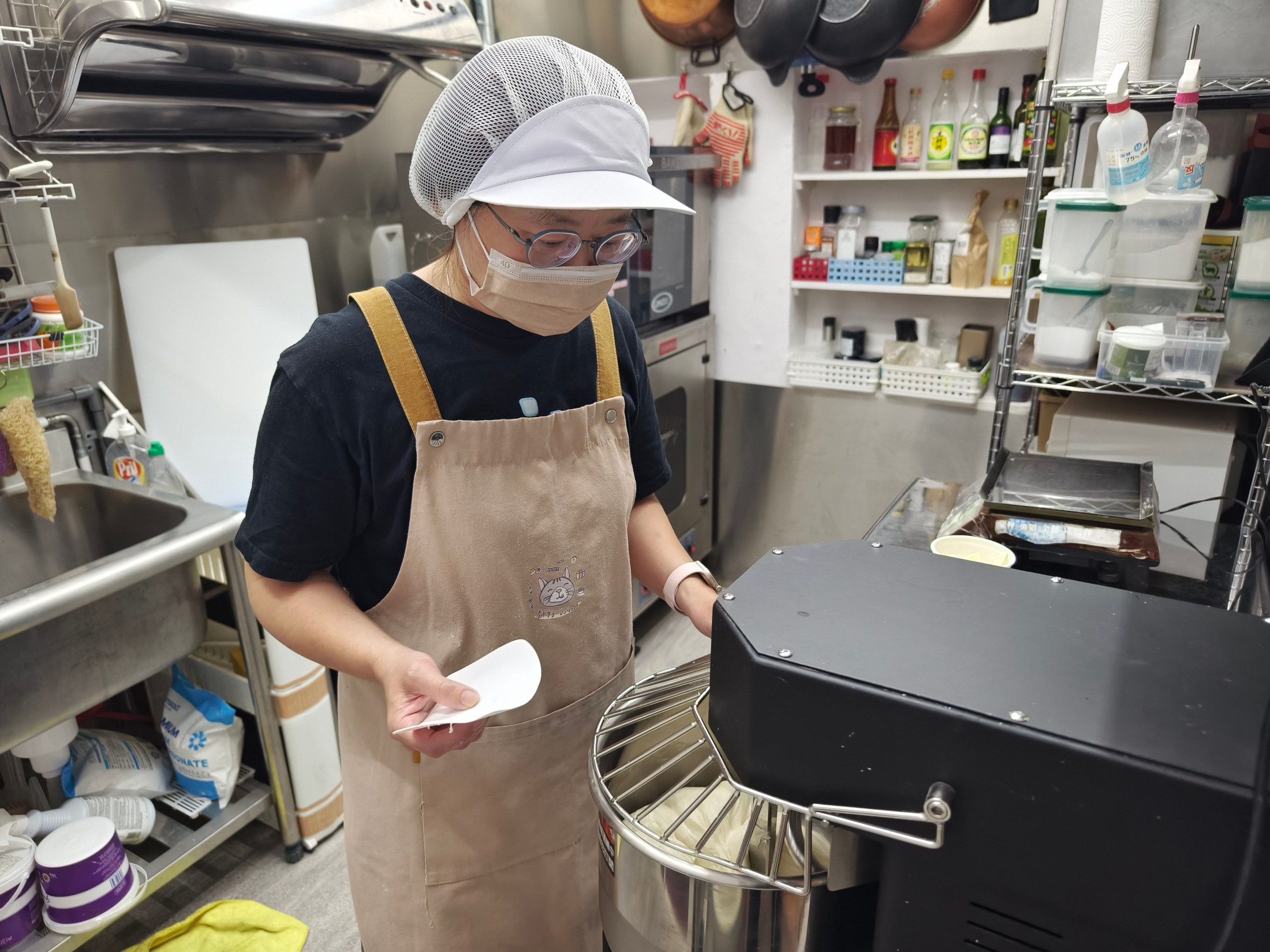
THE INGREDIENT DESK
An ingredient list begins a question. It doesn’t settle one. Ask what the complete source explains before assuming a replacement or a cause.
Open the ingredient deskREADING LENS / THE ROLE
Name the ingredient and the passage that explains its role in this particular recipe. Keep a complete attributable reference rather than treating a familiar ingredient label as a full explanation.
Keep the question in a private noteREADING LENS / THE CONTEXT
Read the intended result and surrounding method with the ingredient. A source explanation should not silently become a substitution rule for another formulation or an independently authorised practical change.
Keep the question in a private noteREADING LENS / THE EVIDENCE
Keep a proposed variable, an authorised activity and the actual observation distinct. A private note can frame a question; it does not validate a revised recipe or decide a technical cause.
Keep the question in a private noteTHE ORIGINAL READING COLLECTION
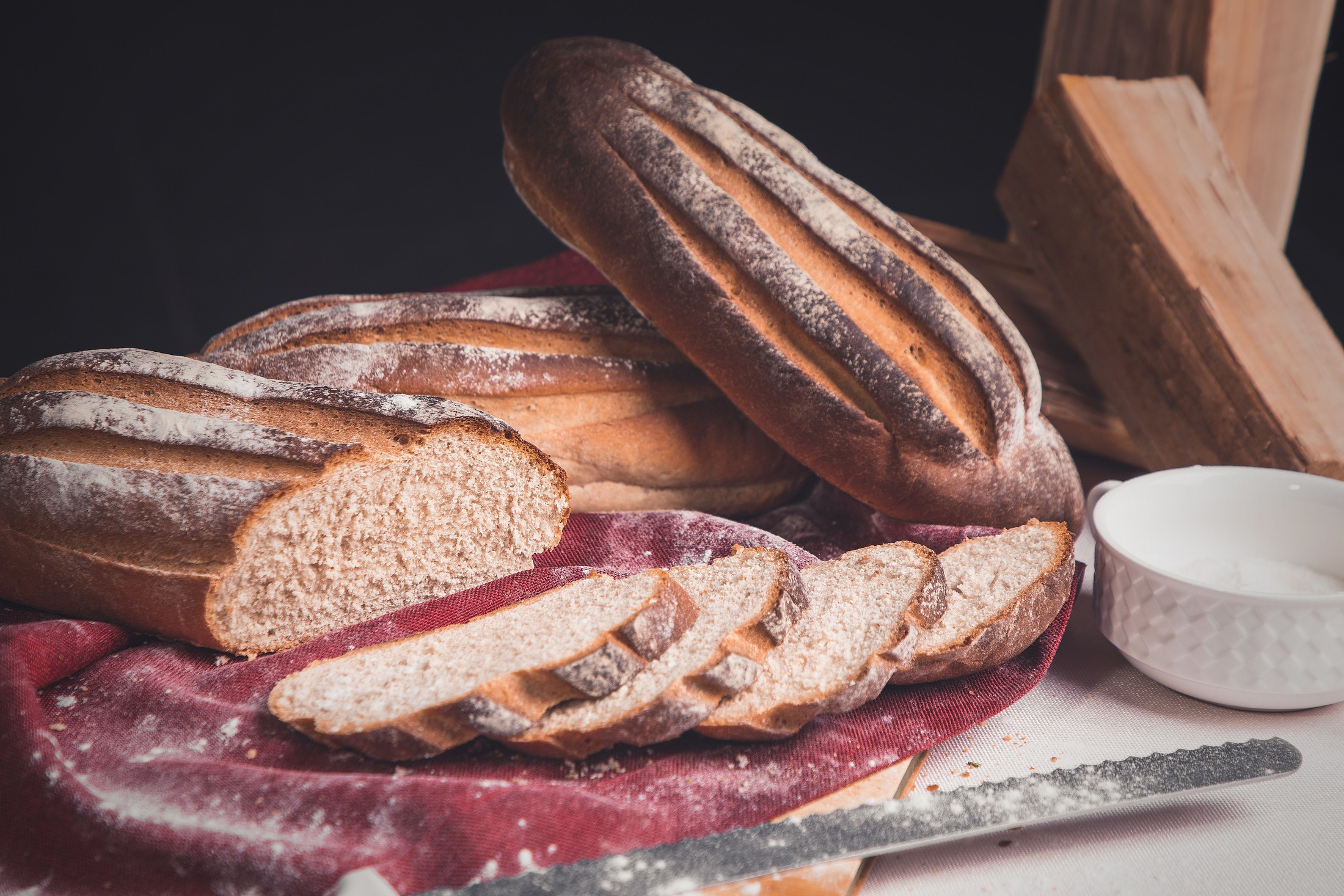
A PHOTOGRAPH & ITS LIMITS
Read a finished image for what it can show without inventing the recipe outside its frame.
Read the image-context noteIngredient functions
Read the role described by the source before turning an ingredient into a replacement rule.
Kitchen learning
Separate the reference, the activity and your own observation so the note remains useful later.
Kitchen learning
A comment is easier to use when the task and your understanding remain visible.
FROM REFERENCE TO REFLECTION
A useful record separates the source, the authorised activity and the observation. It leaves room for a better explanation.
YOUR PRIVATE NOTEBOOK
Write on this device. Review a draft.
Choose to download or print a copy.
THE ORIGINAL STAYS NEARBY
They do different jobs. A careful note helps you return to the reference without quietly replacing its context with your interpretation.
Read the source-and-interpretation noteFind a connected reading routeORIGINAL WRITING / A VISIBLE PURPOSE
Propose educational work with its intended reader, actual authorship, original sources and publication permissions.
Bring a considered proposal